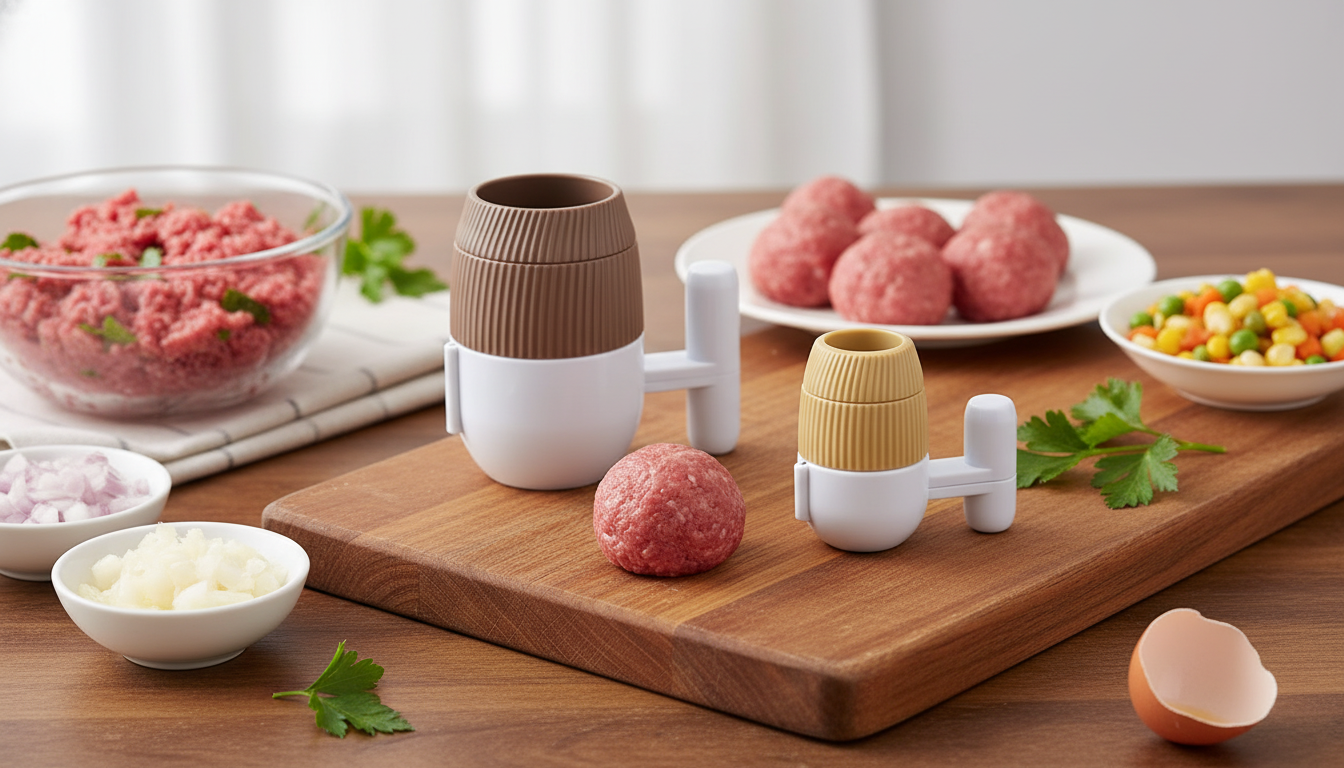
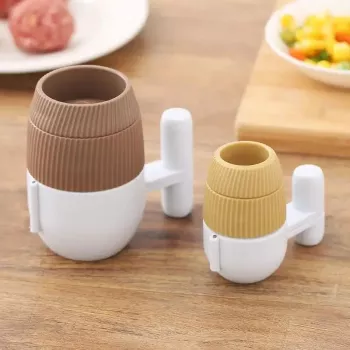
Consistent meatballs cook more evenly, look better on the plate, and make batching for weeknights or parties easier. A round meatball maker spoon helps portion, shape, and release uniform meatballs with less mess—useful for meat, seafood, and vegetarian mixes alike. If you’re building a smoother prep routine, the Round Meatball Maker Spoon is a small tool that can noticeably speed up the process while keeping results consistent from the first meatball to the last.
A meatball maker spoon is designed to take the guesswork (and the sticky hands) out of shaping. Instead of pinching and rolling by hand, you scoop a consistent portion, form a rounded shape, and release it where you need it.
Meatballs are simple, but small differences in size can create big differences in doneness, texture, and serving timing—especially when you’re making a full tray for a crowd.
| Prep step | Hand-rolling | Meatball maker spoon |
|---|---|---|
| Portioning | Estimated by eye; sizes vary | More consistent portion per scoop |
| Shaping | Hands compress mixture; can get dense | Rounded form with less overworking |
| Speed | Slower for large batches | Faster for batch prep |
| Clean-up | More residue on hands and counters | Less contact with mixture |
| Best for | Small batches, rustic look | Batch cooking, uniform results |
Not all scoops behave the same once you’re working with sticky, cold, or dense mixtures. A few design details make a big difference when you’re forming dozens at a time.
For prep efficiency beyond meatballs, pairing tools can streamline a whole cooking session—like staging ingredients with the Refrigerator Egg Storage Box and handling quick garnishes and toppings with the Stainless Steel Fruit Prep Tool Set – Corer, Scoop & Carving Knife.
A scoop makes portioning easy, but a few small habits help the meatballs release cleanly and cook up tender.
If you’re using the Round Meatball Maker Spoon for falafel or fish balls, the same principles apply—keep the mixture cohesive, keep it cold, and avoid squeezing out moisture by over-packing.
| Meatball size | Common uses | Handling tip |
|---|---|---|
| Small | Appetizers, soups | Chill mixture to prevent sticking |
| Medium | Pasta, bowls | Bake on parchment for easy release |
| Large | Subs, party platters | Brown first for structure before simmering |
When meals repeat throughout the week—pasta nights, freezer-friendly meatballs, quick soups—consistency saves time. A portioning tool like the Round Meatball Maker Spoon helps keep sizes steady, reduces mess during prep, and makes it easier to plan servings whether you’re stocking the freezer or building a party tray.
Chill the mixture briefly, then lightly wet or oil the scoop before portioning. Avoid overpacking, and use the spoon’s release action or smooth interior to drop each meatball onto parchment or into a pan without tearing.
Yes—if the mixture is cohesive enough to hold together. Chilling helps, and if it’s crumbly, adding a binder (like egg, flour, or breadcrumbs, depending on the recipe) can improve shaping before baking, shallow-frying, or air frying.
Make them uniform in size, avoid overcrowding the pan or tray, and verify doneness with a food thermometer. Follow recognized food-safety temperature guidance for ground meats to ensure the centers cook through.









Leave a comment