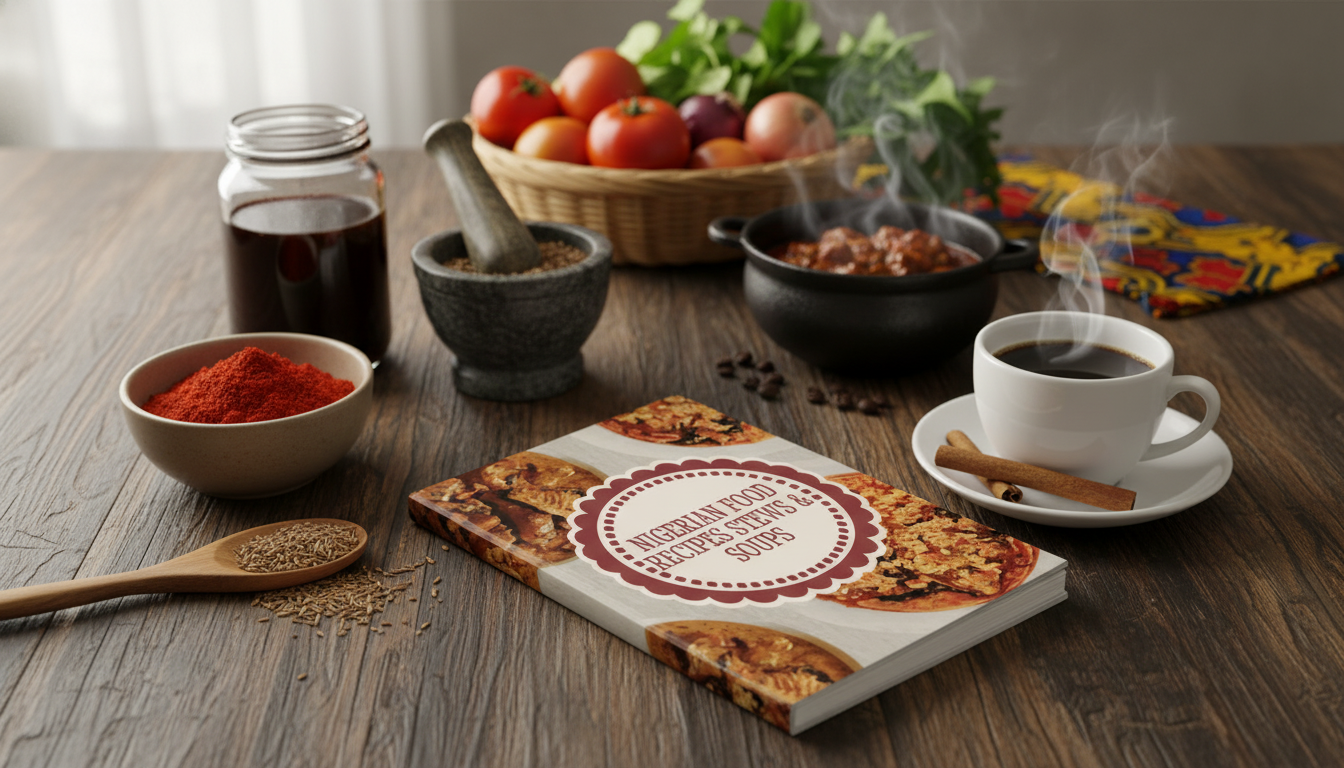
Nigerian stews and soups are built on layered aromatics, bold peppers, deeply flavored proteins, and smart thickening techniques. Once the core methods are familiar—cooking down a pepper base, building stock, and timing thickeners and greens—it becomes straightforward to make comforting classics for weeknights, celebrations, or meal prep. Whether the goal is a rich tomato-based stew, a palm-oil soup, or a vegetable-forward pot served with swallows or rice, the “why” behind each step makes the results consistently satisfying.
The difference between a pot that tastes flat and one that tastes like home usually comes down to a few repeatable details:
A practical pantry makes Nigerian cooking feel less like a special project and more like an everyday option. When an ingredient is hard to find, a thoughtful substitute can still keep the dish recognizable—just expect some changes in aroma or color.
Use scotch bonnet + red bell pepper + onion. To lower heat without losing the pepper “body,” replace part of the scotch bonnet with more bell pepper and keep the onions for sweetness.
Palm oil delivers a signature fruity aroma and deep orange color in many soups. Crayfish brings a concentrated savory note. Stockfish or dried fish adds smoky depth that can make a pot taste slow-cooked even on a busy day.
Egusi thickens into a creamy, hearty texture; ogbono creates a stretchy “draw”; okra can thicken and draw depending on how it’s handled; and pounded yam/cocoyam styles add a smooth, starchy body.
| Ingredient | Common use | Best substitute | Flavor/texture impact |
|---|---|---|---|
| Palm oil | Banga-style soups, many vegetable soups | Neutral oil + a little smoked paprika | Less fruity aroma; color shifts from deep orange to lighter red |
| Crayfish (ground) | Seasoning base for soups | Dried shrimp (ground) | Similar umami; can be saltier—taste as you go |
| Egusi (ground melon seed) | Egusi soup; thickened stew-soup | Ground sunflower seed or pumpkin seed | Nutty taste; texture may be slightly less creamy |
| Ogbono | Draw (stretchy) soups | Okra (for draw) or ground chia (small amount) | Different aroma; okra adds a greener note |
| Locust beans (iru/dawadawa) | Ogbono/okra/vegetable soups | Miso (tiny amount) or extra crayfish | Umami stays, but the fermented aroma is different |
Blend peppers and onions (and tomatoes when using a tomato-pepper base), then cook it uncovered until it thickens and the raw, sharp taste fades. A reliable sign is when the mixture reduces noticeably and the oil begins to separate at the edges—this is where the flavor turns deeper and stew-like instead of watery.
For cultural background and common ingredients across regions, Encyclopaedia Britannica’s overview of Nigerian cuisine is a helpful reference point.
To speed up pepper-and-onion prep, a compact tool set can help with daily kitchen repetition: Stainless Steel Fruit Prep Tool Set – Corer, Scoop & Carving Knife.
For detailed leftover timing and safe cooling practices, consult the USDA Food Safety and Inspection Service guidance on leftovers.
If a reliable rotation of recipes would make weekly cooking easier, a focused guide can help keep technique consistent while still offering variety. The Nigerian Food Recipes Stews & Soups (digital cookbook) is a quick-reference digital download designed for home kitchens—useful for everything from bold pepper-based stews to thickened soups.
And when it’s time to serve family-style (or host), a durable set of flatware makes soups, stews, and sides feel pulled together: 24-piece stainless steel cutlery set for serving stews and soups.
Use more red bell pepper and fewer scotch bonnets, while keeping onions for sweetness. Most importantly, cook the blend down fully so the flavor stays concentrated even with less heat.
The pepper-tomato mix needs time to reduce until it’s thick and the oil separates, which removes the raw taste. If acidity still stands out, a little extra onion (or a small pinch of sugar) can help balance it, but proper reduction is the main fix.
Okra releases mucilage as it cooks, and ogbono naturally thickens into a stretchy texture. Keep heat moderate and avoid over-stirring once draw develops so the texture stays smooth and cohesive.









Leave a comment