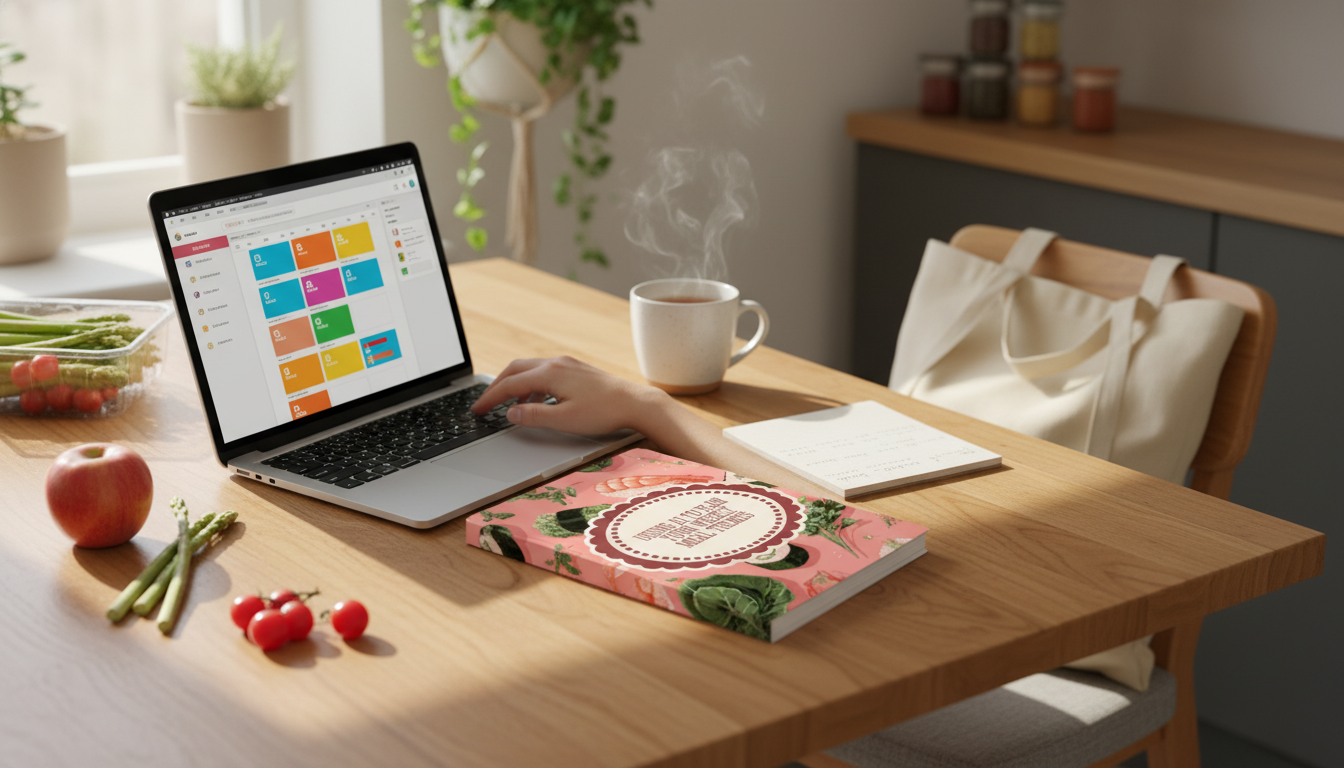
Weekly meal themes cut decision fatigue, simplify shopping, and make meal prep predictable without feeling repetitive. With AI, a theme-based plan can come together in minutes and then get refined around dietary needs, time limits, leftovers, and budget—turning “What’s for dinner?” into a repeatable system that stays flexible when life changes.
Meal themes give each day a simple direction—enough structure to reduce mental load, without locking you into a rigid menu.
If balanced nutrition is a goal, themes also make it easier to rotate food groups and build better plates over time. For simple guidance, the USDA MyPlate Kitchen and the Harvard Healthy Eating Plate offer practical, food-based frameworks.
Good inputs produce good weekly plans. Before generating ideas, decide what your week can realistically support.
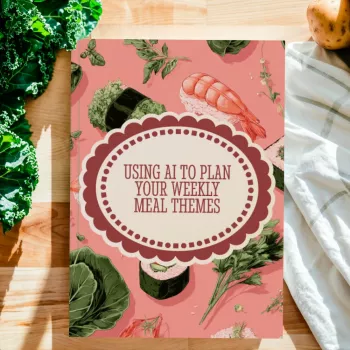
To make the routine even easier to repeat week after week, keep a reference you can reuse—like Using AI to Plan Your Weekly Meal Themes (digital guide download)—so your “default setup” stays consistent.
A theme plan works best when it reflects real life: who’s eating, how much time you have, and what you already own. Use a consistent template so you can run it every week with minimal edits.
Example: “2 adults, 2 kids; one vegetarian; peanuts avoided; 30 minutes Mon–Thu; 60 minutes Sun.”
Example: “Mon: Meatless, Tue: Tacos, Wed: Sheet-Pan, Thu: Pasta, Fri: Leftover Remix, Sat: Takeout/Freezer, Sun: Big Batch.”
Example: “One 90-minute prep session on Sunday; prioritize overlapping ingredients. Use up: spinach, chicken thighs, yogurt. Keep total grocery under $120. Avoid specialty items.”
| Day & theme | Dinner idea | Prep hook | Key groceries |
|---|---|---|---|
| Mon – Meatless | Chickpea curry with rice | Cook extra rice for fried-rice remix | Canned chickpeas, curry paste, coconut milk, spinach, rice |
| Tue – Tacos | Sheet-pan chicken fajita tacos | Slice peppers/onions while rice cooks | Tortillas, chicken, peppers, onions, salsa, lime |
| Wed – Sheet-Pan | Salmon + broccoli + potatoes | Roast extra broccoli for lunch bowls | Salmon, broccoli, baby potatoes, lemon |
| Thu – Pasta | Pasta with tomato-basil sauce + side salad | Double sauce; freeze half | Pasta, crushed tomatoes, basil, parmesan, salad greens |
| Fri – Leftover Remix | Fried rice using Monday’s rice + veggies | Use any remaining proteins/veg | Eggs, frozen peas/carrots, soy sauce (if needed) |
| Sat – Freezer/Low-effort | Soup or dumplings from freezer | Restock freezer list for next week | Freezer items, broth (optional) |
| Sun – Big Batch | Turkey or lentil chili | Portion lunches; freeze 2 servings | Ground turkey or lentils, beans, tomatoes, onions, spices |
When your plan includes eggs for quick dinners or remix nights, keeping them visible and protected helps reduce breakage and last-minute surprises. A dedicated organizer like the Refrigerator Egg Storage Box can make the “grab-and-cook” nights feel truly effortless.
If fruit prep tends to slow down lunch packing, a small kit like the Stainless Steel Fruit Prep Tool Set – Corer, Scoop & Carving Knife can speed up apples, melons, and snack prep so healthy add-ons become automatic.
For food safety during batch cooking and leftovers, follow the FDA’s safe food handling guidance on storage, chilling, and reheating—especially when you’re portioning meals in advance.
Six to ten themes is typically plenty. Rotate them weekly and vary cuisines and proteins within the same theme, and keep one flexible theme (like leftovers or “clean-out-the-fridge”) to prevent burnout.
Yes—share a short “must include/must avoid” list, plus acceptable substitutions (like dairy-free yogurt or gluten-free pasta). Adding a small list of reliable family favorites helps keep the plan practical and kid-friendly.
Themes encourage ingredient overlap, which reduces impulse buys and one-off specialty items. Planning a leftover remix night and leaning on pantry staples also lowers waste, and it becomes easy to swap in budget options (like frozen fish or beans) when needed.










Leave a comment