HomeBlogBlogLarge Stainless Camp Kettle: Capacity, Fire Use & Care

Large Stainless Camp Kettle: Capacity, Fire Use & Care

Large Stainless Camp Kettle: Capacity, Fire Use & Care

Stainless Steel Camping Tea Kettle: Large-Capacity Boiling for Outdoor Fires

A dependable camp kettle should boil efficiently over open flames, pour cleanly, and hold enough water for the group without adding fuss to packing. Stainless steel is a favorite for backwoods kitchens because it’s tough, rust-resistant, and simple to scrub clean after a smoky night by the fire. Below is what to look for in a large-capacity stainless steel camping tea kettle, how to use it safely over an outdoor fire, and how to keep it performing trip after trip.

What Makes a Good Outdoor Fire Kettle

A camping kettle gets handled with gloves, set on gritty grates, and exposed to uneven heat. The right design details make it easier to heat water quickly and pour without mess.

  • Stainless steel body: Durable, corrosion-resistant, and generally easier to clean than coated metals after soot buildup.
  • Stable base + balanced handle: A wide, steady footprint reduces tipping on a grill grate or fire ring; a well-centered handle helps with confident lifting.
  • Spout that pours cleanly: A smooth spout shape helps prevent drips that can land on hands or hiss into coals.
  • Lid fit: A lid that sits securely helps keep ash and embers out while still allowing steam to vent.
  • Capacity matched to your crew: Bigger groups benefit from fewer refills and fewer boil cycles.

Choosing the Right Capacity for Camp Coffee, Tea, and Meals

Capacity isn’t only about how many mugs you can fill once—it also changes how often you tend the fire, how long people wait, and how much fuel you burn.

  • Solo or two-person trips: Smaller fills often boil faster and waste less fuel, especially if you’re only making a couple mugs at a time.
  • Family or group trips: Larger volume reduces boil cycles and keeps hot water ready for second rounds of coffee, cocoa, or tea.
  • Typical use matters: If you also make oatmeal, instant soup, dehydrated meals, or want warm water for dishwashing, you’ll appreciate extra volume.
  • Heat-source variability: Open fires and charcoal can be inconsistent; having more hot water on hand can reduce the need to re-stoke just for another quick boil.
  • Leave headspace: Don’t fill to the brim—boiling bubbles can surge and spill when the water rolls hard.

Capacity Planning for Common Camp Uses

Group size Typical hot-water need Suggested fill approach Notes
1–2 people 1–2 mugs + small meal prep Partial fill for faster boils Refill as needed to save fuel
3–4 people Multiple drinks + meal packets Mid-to-high fill Keep extra hot water for second rounds
5+ people Rounds of tea/coffee + cleanup water High fill (with headspace) Plan a safe staging spot for pouring

Using a Stainless Steel Kettle Over an Open Fire

Boiling on a campfire is simple, but a few habits improve safety and help your kettle last longer.

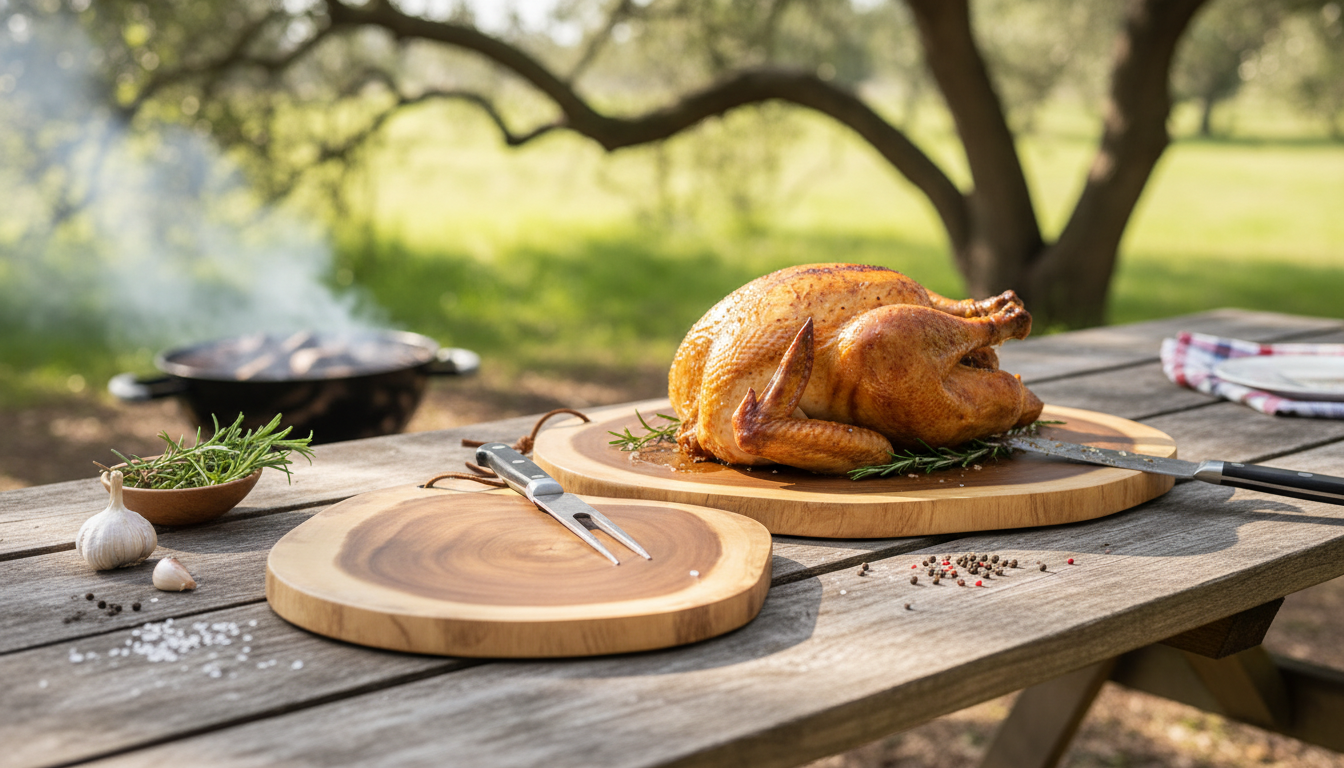
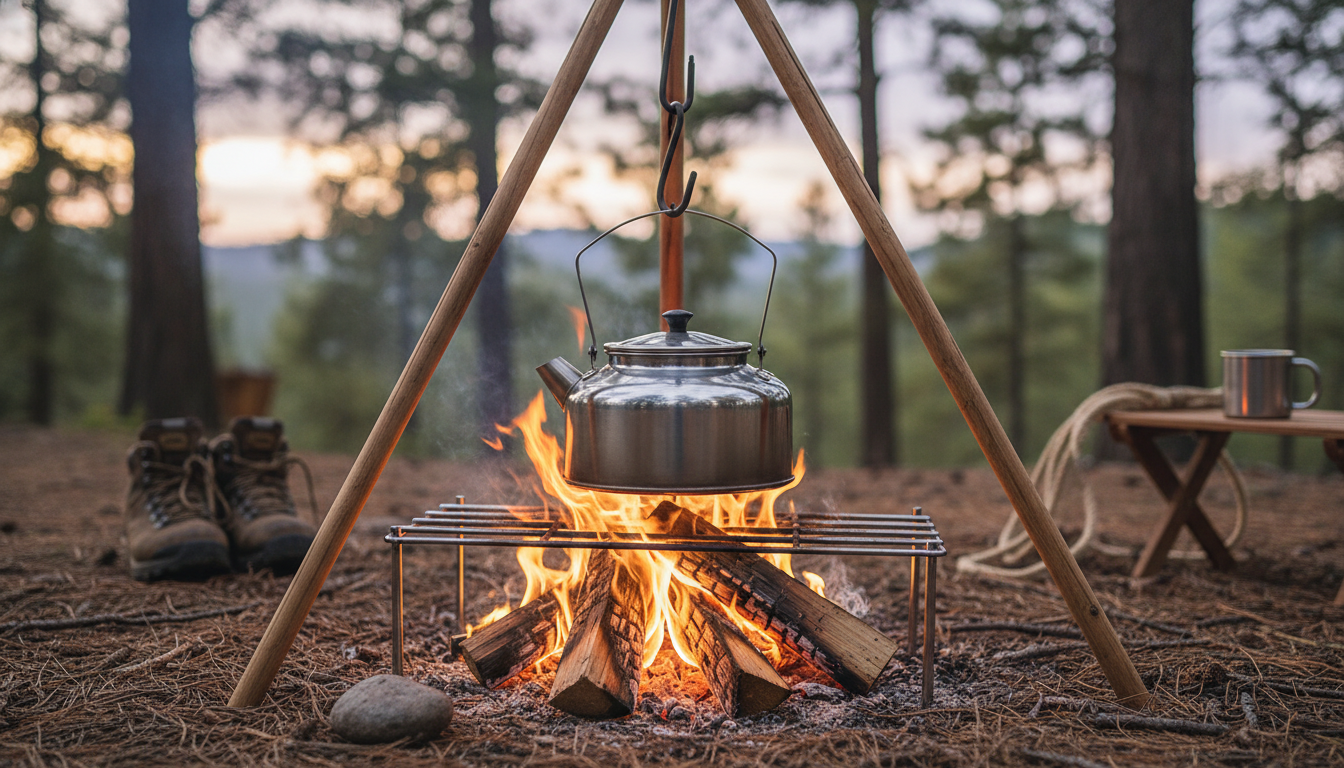
  • Start with a stable platform: Set the kettle on a steady grate, a fire ring lip, or firmly placed flat rocks. Avoid balancing directly on shifting coals.
  • Use medium heat when possible: A raging flame can cause heavier soot, hotter handle hardware, and uneven heating. Let the fire settle into a steady burn.
  • Rotate for even heating: Fires often have hot spots. A careful quarter-turn now and then can reduce scorching and speed up an even boil.
  • Protect the handle: Keep the handle out of direct flame and use heat-resistant gloves or a pot lifter when moving the kettle.
  • Lift the lid thoughtfully: Steam can surge when the lid comes off; crack it first to vent, then remove fully when safe.

For general burn-prevention guidance around hot liquids, the CDC’s overview on scald safety is a useful refresher: CDC: Preventing Burns and Scalds.

Heat Sources: Campfire, Grill Grate, and Backpacking Stove

A stainless steel kettle is versatile, but performance changes based on how it’s heated.

When camping, keep impacts low by following established best practices for fires and cleanup. The Leave No Trace framework is a solid baseline: Leave No Trace Principles.

Cleaning, Soot Removal, and Care Between Trips

When a Large-Capacity Kettle Is Worth Packing

Product Spotlight: Stainless Steel Camping Tea Kettle – Large Capacity Outdoor Fire Kettle

If you want one dependable hot-water source that can handle group drinks, meal prep, and quick cleanup water, a dedicated large-capacity stainless kettle is a practical upgrade. The Stainless Steel Camping Tea Kettle – Large Capacity Outdoor Fire Kettle is designed for rugged outdoor boiling and fits naturally into a campfire-ring or grill-grate setup. For best results, keep headspace while heating, set it on a stable surface, and use gloves whenever you lift or pour near open flame.

Camp Kitchen Add-Ons That Pair Well

FAQ

Can a stainless steel camping kettle be used directly on an open fire?

Yes, as long as it’s placed on a stable grate or solid support. Keep the handle out of direct flame, avoid overfilling, and use heat-resistant gloves when lifting and pouring.

How is soot cleaned off a campfire kettle?

Let it cool completely, wipe off loose soot, then wash with mild soap and water. For stubborn residue, scrub gently with a baking-soda paste and dry fully before storing.

What capacity is best for camping tea and coffee for a group?

A larger capacity is most helpful for 3+ people or when you also need hot water for meals and washing. Leave headspace to prevent boil-over and set up a safe, steady place to pour.

Was this article helpful?

Yes No
Leave a comment
Top

Shopping cart

×