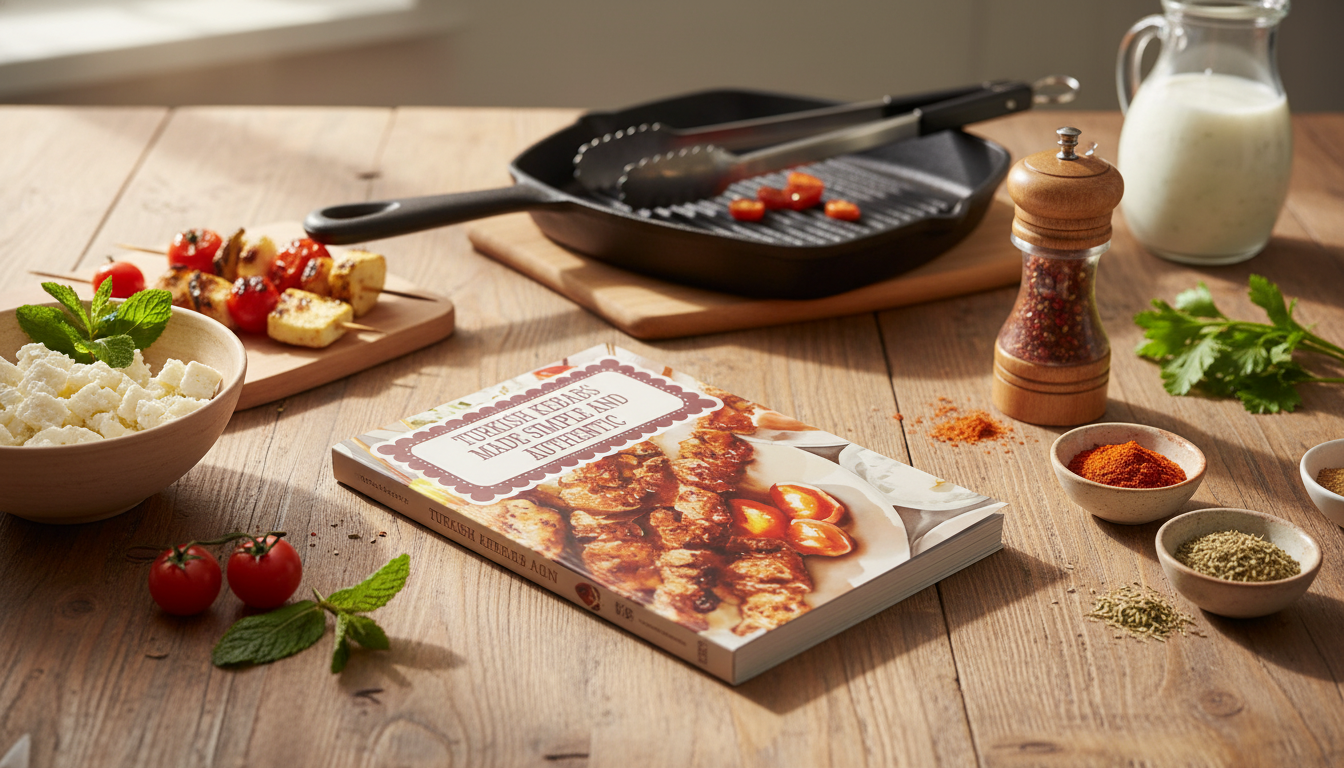
Turkish kebabs can feel intimidating—different cuts, regional seasoning styles, and the challenge of getting juicy results at home without a restaurant grill. The Turkish Kebabs Made Simple and Authentic eBook is built around dependable techniques, smart prep, and flavor combinations that deliver bold, balanced results—whether you’re cooking a quick weeknight skewer or building a full platter for guests.
Instead of relying on special equipment, the approach centers on what matters most: the right fat-to-lean balance, onion-and-spice foundation, high-heat browning, and bright sides that make each bite taste unmistakably Turkish. For a deeper look at Turkey’s food heritage and regional culinary identity, explore Türkiye’s official resource at GoTürkiye.
Great kebab flavor isn’t only about the spice mix. Turkish-style plates typically pair juicy, well-seasoned meat with acidic and herbal sides—sumac onions, lemony greens, pickles—so richness feels clean and craveable. Smoke (from a grill, broiler, or hot cast iron) rounds it out with that kebab-shop aroma.
The backbone is often onion and garlic (grated or pulsed), yogurt for tenderness in certain marinades, and tomato-pepper pastes for depth. Common seasonings include sumac, Aleppo-style chili, cumin, and dried oregano or thyme. Used with restraint, these create warmth and perfume rather than heavy heat.
Turkish kebabs aim for a tender bite and a deeply browned exterior. A short rest after cooking is non-negotiable: it helps juices redistribute and keeps minced mixtures from breaking when sliced or wrapped.
Kebabs are rarely served alone. Bread, salad, sauces, and rice or bulgur complete the experience—and they’re also what make leftovers easy to remix into bowls and wraps the next day.
This guide organizes kebabs the way real home cooks use them: dependable classics, flexible modern builds, and regional cues that shift a dish from “good grilled meat” to “distinctly Turkish.” You’ll find approaches designed for skewers, köfte-style minced kebabs, and oven tray kebabs—plus fusion-friendly options that keep Turkish foundations while welcoming global accents.
| Style | Typical Protein | Signature Flavors | Best Cooking Method | Great For |
|---|---|---|---|---|
| Skewered kebabs | Lamb, chicken, beef | Char + spice + lemony sides | Grill, broiler, grill pan | Cookouts, fast dinners |
| Minced (köfte-style) kebabs | Lamb-beef mix, beef, chicken | Onion-garlic depth, warm spices | Grill, pan sear | Meal prep, wraps |
| Tray/oven kebabs | Lamb, beef, chicken | Tomato-pepper richness | Oven roast/bake | No-grill kitchens |
| Vegetable-forward plates | Eggplant, peppers, mushrooms | Smoky-sweet + tang | Oven, grill, stovetop | Meat-light menus |
| Fusion-inspired builds | Any | Turkish base + global accents | Any | Entertaining, variety nights |
Use marinades when you want tenderness and gentle flavor penetration (especially for chicken). Use a thicker seasoning paste when you want a concentrated crust and faster cooking—ideal for beef and lamb cubes. “Enough time” often means 30 minutes to a few hours for most meats; longer isn’t always better if the mixture is very acidic.
Go hot first for sear, then finish gently. A preheated cast-iron pan or ripping-hot broiler can mimic grill intensity; just watch distance to the flame and rotate as needed for even color. For safety and best results, cook to proper internal temperatures—USDA guidance is a reliable reference: Safe Minimum Internal Temperatures.
For a table-ready finish, a polished flatware set can elevate even a casual kebab spread—see the 24-Piece High-End Stainless Steel Cutlery Set for 6 – Luxury Flatware Kit.
Skewer proteins and prep sauces the day before, then keep salads undressed until the last minute. When fruit is part of your spread (citrus wedges, melon, or a quick dessert plate), a compact tool kit speeds the prep—try the Stainless Steel Fruit Prep Tool Set – Corer, Scoop & Carving Knife.
The Turkish Kebabs Made Simple and Authentic | eBook Guide to Traditional & Modern Kebab Recipes, Turkish Cooking, Fusion Inspirations, Regional Flavors is a digital download, so it’s ready when you are—easy to reference on a phone or tablet while you cook. It suits beginners who want reliable methods and experienced cooks looking for regional cues and modern fusion variety, and it makes a thoughtful host gift for anyone who loves big, grill-friendly flavors.
Yes—use a broiler, grill pan, cast iron skillet, or an oven tray method. The keys are high heat for browning, spacing pieces so they don’t steam, and resting the kebabs briefly before serving.
Skewered kebabs use chunks of meat that brown on the outside while staying juicy inside, while minced kebabs rely on a seasoned ground mixture that needs proper mixing and shaping to hold together. Minced styles cook quickly and can dry out or crumble if they’re too lean or handled roughly.
Use an appropriate fat ratio, salt adequately, and avoid overcooking—sear first, then finish gently. For chicken, choose thighs and don’t marinate too long in strong acid; for lamb and beef, prioritize browning and a short rest so juices stay in the meat.










Leave a comment