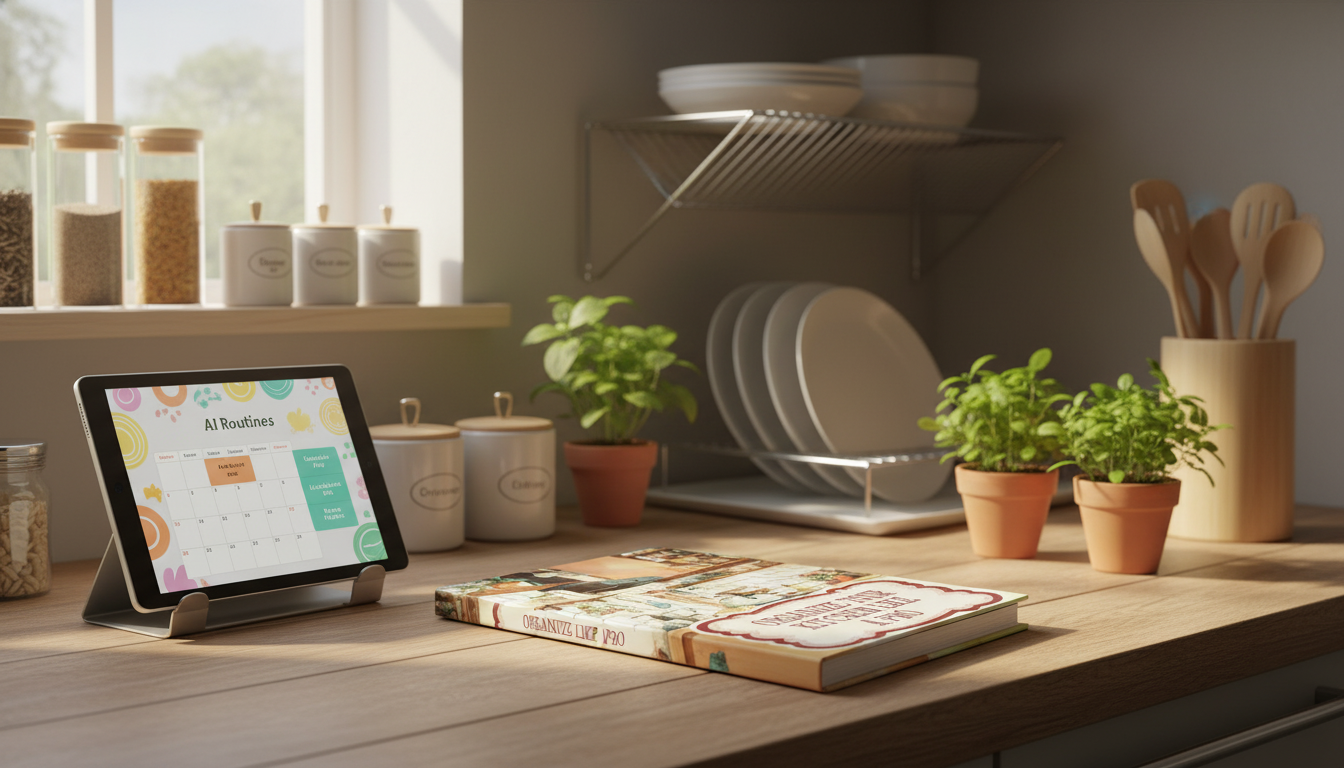
A calm, efficient kitchen comes from clear zones, repeatable rules, and storage that matches real cooking habits. The goal isn’t perfection—it’s making the “next right step” obvious: where things go, what gets used first, and how to reset fast after a busy day. Below is a practical approach that starts with quick wins (decluttering, zoning, and container choices) and builds into simple, tech-friendly routines that help you maintain order and reduce food waste.
If the kitchen feels chaotic, start small and visible. A short reset builds momentum without turning your evening into a reorganization marathon.
Once that one surface looks calm, it becomes your default landing spot for sorting groceries, unloading a dishwasher, or setting up a quick prep station.
Zones reduce daily friction. Instead of thinking “Where can this fit?”, think “Where would I reach for this while doing the task?”
| Zone | Best Location | Store Here | Rule of Thumb |
|---|---|---|---|
| Prep | Counter-adjacent drawer/cabinet | Knives, boards, bowls, peelers | Keep within one step of your main prep surface |
| Cook | Cabinet/drawer by stove | Pans, utensils, oils, spices | Most-used items should be reachable with one hand |
| Bake | Pantry shelf + nearby cabinet | Dry baking staples, sheets, mixers | Group by task to avoid “ingredient scavenger hunts” |
| Serve | Near dishwasher or dining area | Plates, glasses, cutlery | Unload-to-store in under 2 minutes |
| Storage | Pantry + fridge | Staples, snacks, leftovers | Label, face-forward, and rotate oldest to front |
If your serve zone needs an instant upgrade, a matching flatware set can make a drawer feel “finished” and easier to maintain. The 24-Piece High-End Stainless Steel Cutlery Set for 6 – Luxury Flatware Kit keeps everyday settings consistent, which reduces odd-piece overflow.
The refrigerator is where good intentions go to disappear—unless the layout makes “use first” unavoidable. For food safety basics, the FDA’s guidance on refrigerator and freezer storage is a helpful reference.
For a tidy egg area that reduces rolling cartons and cracked shells, consider the Refrigerator Egg Storage Box.
Tech works best when your zones are already clear. Once “prep/cook/serve/storage” is defined, you can reuse short, repeatable text requests to plan meals, reduce duplicate buys, and maintain a quick reset routine. For storage timelines and safety, the USDA’s FoodKeeper resource is a solid starting point.
| Goal | Copy-and-use request | Best time to use it |
|---|---|---|
| Use what you have | “Here’s what’s in my fridge: [list]. Here’s what’s in my pantry: [list]. Suggest 5 meals that use the most perishable items first.” | Before grocery shopping |
| Speedy reset | “Create a 10-minute kitchen reset checklist based on these zones: prep, cook, serve, storage. Keep it to 8 steps.” | After dinner |
| Smarter shopping | “Plan 4 dinners and 2 lunches using these items first: [list]. Then generate a minimal shopping list.” | Weekly planning |
| Organize one drawer | “My drawer is [dimensions]. Items: [list]. Propose a divider layout and where each item should go.” | One-time setup |
| Leftovers control | “Suggest a leftovers labeling system and a ‘use first’ routine for a household of [number].” | When reorganizing containers |
A structured plan makes it easier to move from decluttering to zones, then to storage upgrades—without getting stuck halfway. For a guided workflow with checklists and routines you can revisit anytime, see Organize Your Kitchen Like a Pro | Digital Guide to Kitchen Storage Solutions, Clever Organizing Strategies, and AI-Powered Tips.
On busy weeks, the simplest “maintenance rule” wins: a short nightly reset plus a quick weekly fridge/pantry check. Pair that rhythm with the CDC’s core food safety basics—clean, separate, cook, and chill—to keep your kitchen both orderly and practical.
If fruit prep tends to spread across the counter (multiple tools, sticky drawers, extra cleanup), keeping essentials together helps. The Stainless Steel Fruit Prep Tool Set – Corer, Scoop & Carving Knife supports a cleaner prep zone by consolidating common tasks in one set.
Declutter first, then assign zones, then choose containers and labels, then fine-tune cabinets and the fridge, and finish with a weekly reset routine so the system actually stays in place.
Use vertical storage, store by frequency, keep counters mostly clear, and set strict zones so every item has a defined home—even if that home is compact.
They can generate repeatable checklists, meal ideas based on what you already have, shopping lists that reduce duplicate purchases, and layout suggestions tailored to your specific space and constraints.











Leave a comment