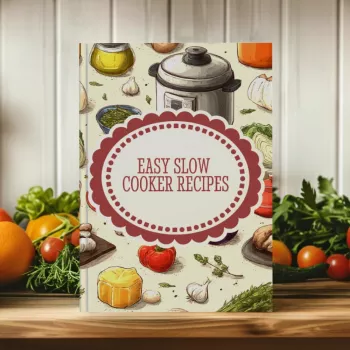
Slow cooker meals can be simple, budget-friendly, and nourishing—especially with a beginner-friendly routine that keeps prep realistic and flavors fresh. With a few repeatable templates (plus a couple of finishing touches that wake up the taste), slow cooking can cover everything from warm breakfasts to weeknight dinners and easy leftovers.
A slow cooker makes it easier to stick with balanced meals because it reduces the daily friction of cooking. You set it up, walk away, and come back to something ready to serve.
You don’t need a packed kitchen to get great results. A small set of basics keeps prep quick and cleanup simple.
If you like step-by-step structure, the Easy Slow Cooker Recipes | Digital Download Guide | Easy Crockpot Cookbook for Beginners | Healthy Breakfast & Dinner Recipes with AI Tips is designed around repeatable “templates” so you can mix-and-match without overthinking dinner.
Breakfast is where a slow cooker can feel like a superpower: prep at night, wake up to something warm, and portion the extras for the week.
Slow-cooker egg bakes and breakfast casseroles work well with lots of vegetables (peppers, spinach, onions, mushrooms). Keep toppings separate (cheese, salsa, herbs) so each portion feels fresh.
Cook, portion, chill, and reheat with a splash of milk (for oats) or broth (for savory bakes) to restore the original texture. For easy fridge organization, a dedicated egg organizer like the Refrigerator Egg Storage Box keeps breakfast prep tidy and visible.
Instead of chasing complicated recipes, build a few dependable bases and rotate flavors. These patterns cover most healthy slow cooker dinners.
Try ratatouille-style mixes (tomato, zucchini, eggplant) or curry-style sauces loaded with vegetables. Serve over brown rice, quinoa, or potatoes. For quick fruit or citrus finishing touches (zest, segments, garnishes), the Stainless Steel Fruit Prep Tool Set – Corer, Scoop & Carving Knife makes prep faster and more consistent.
For detailed guidance, see USDA Food Safety and Inspection Service: Slow Cookers and Food Safety and the CDC food safety basics.
| Recipe Type | Typical Low Setting | Typical High Setting | Add Near the End |
|---|---|---|---|
| Chicken soup/stew | 6–8 hours | 3–4 hours | Leafy greens, lemon juice, fresh herbs |
| Pulled chicken/pork | 7–9 hours | 4–5 hours | BBQ sauce, slaw, fresh onions/cilantro |
| Beef stew | 8–10 hours | 4–6 hours | Peas, fresh parsley, vinegar |
| Beans/lentils (recipe-dependent) | 6–8 hours | 3–4 hours | Spinach/kale, yogurt, hot sauce |
| Breakfast oats | 6–8 hours | 2–3 hours | Fruit, nuts/seeds, honey/maple |
For more meal prep structure and healthy planning ideas, the Academy of Nutrition and Dietetics meal planning resources offers practical guidelines you can adapt to slow cooking.
If you want a ready-to-follow starting point, the Easy Slow Cooker Recipes | Digital Download Guide | Easy Crockpot Cookbook for Beginners | Healthy Breakfast & Dinner Recipes with AI Tips pairs simple recipes with planning shortcuts so slow cooking becomes a routine, not a project.
It’s safest to thaw first so the food reaches safe temperatures quickly. Thaw in the refrigerator (best) or using a cold-water method, then cook and use a food thermometer to confirm doneness.
Use low-sodium broth, boost volume with vegetables and beans, and choose lean proteins. Finish with acid (lemon or vinegar) and fresh herbs, and thicken with blended beans or yogurt instead of heavy cream when appropriate.
Start with predictable templates like chicken soup, salsa chicken, lentil stew, and overnight breakfast oats. They use short ingredient lists, cook evenly, and reheat well for leftovers.









Leave a comment