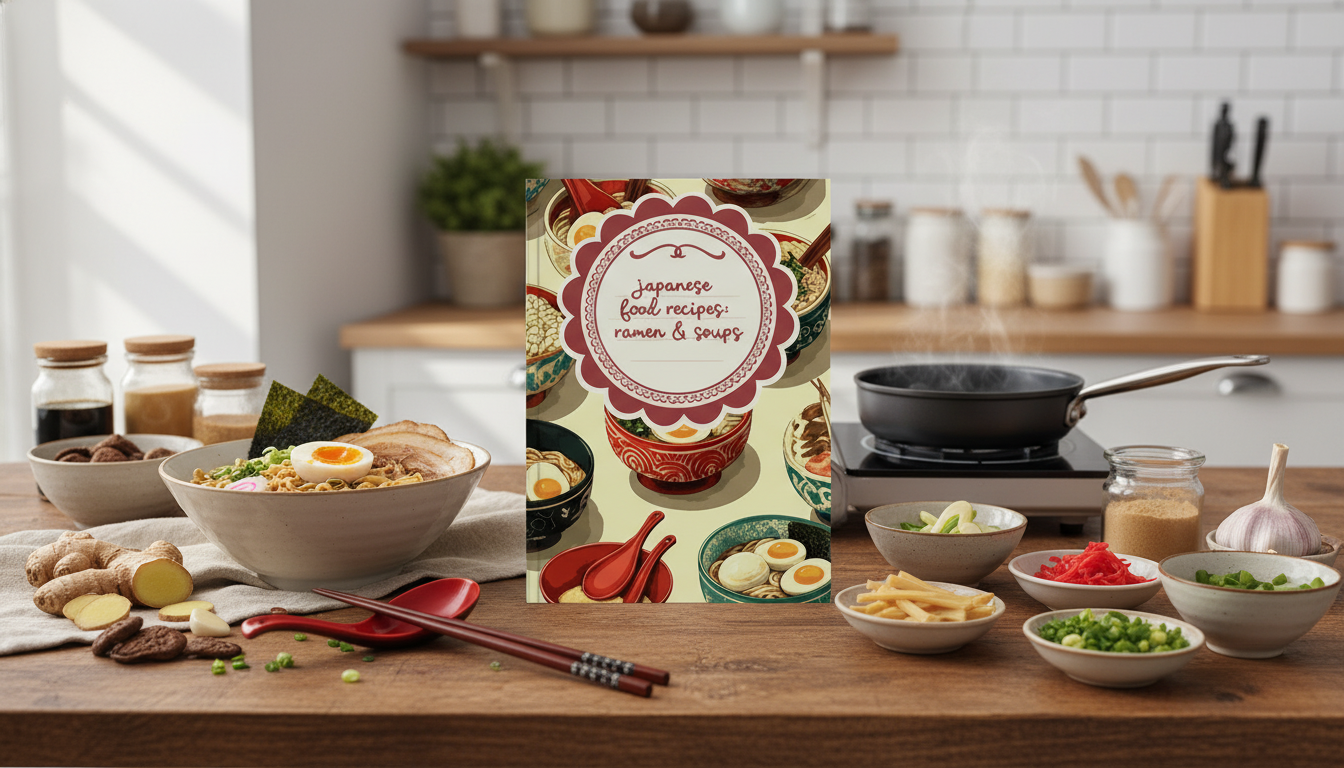
Homemade ramen gets dramatically easier when the bowl is treated like a build: a flavorful broth, well-cooked noodles, and a few high-impact toppings. Once those parts are handled separately, you can make a weeknight shoyu bowl in under an hour—or plan a slow-simmered, tonkotsu-inspired weekend project—without the process feeling mysterious. Below is a practical, repeatable flow you can use again and again, plus a recipe-packed digital eBook for anyone who wants more variations and deeper practice.
A ramen bowl is a balance of five elements: broth, tare (a concentrated seasoning base), aromatic oil, noodles, and toppings. Broth provides body and warmth; tare provides salt and backbone; aromatic oil adds fragrance and richness. When one part is missing, ramen can taste “salty but flat,” or rich yet oddly dull.
Texture matters as much as flavor. Springy noodles, crisp garnishes, and a tender protein create contrast that keeps each bite interesting. The best part: small upgrades—proper noodle timing, a measured tare, and a finishing oil—often improve results more than complicated ingredients or hard-to-find add-ins.
Broth doesn’t have to be a 12-hour commitment (unless you want it to be). Pick a style based on the time you have and the toppings you like to keep on hand.
| Style | Flavor profile | Time approach | Pairs well with |
|---|---|---|---|
| Shoyu | Savory, soy depth | 30–90 min with stock + tare | Chashu or chicken, scallions, nori |
| Miso | Rich, rounded, hearty | 20–60 min; finish with miso off heat | Corn, butter, sprouts, spicy oil |
| Shio | Light, clear, aromatic | 30–60 min; precise seasoning | Seafood, greens, yuzu-style accents |
| Tonkotsu-inspired | Creamy, deeply porky | 6–12+ hours simmer | Garlic oil, kikurage, soft egg |
For shoyu, miso, and shio bowls, a high-quality stock plus a small dashi boost goes a long way. Try combining chicken stock with kombu steeping (warm, not boiling) and a sprinkle of bonito flakes, then strain. From there, let tare and aromatic oil do the “ramen shop” heavy lifting.
For tonkotsu-inspired broth, plan ahead and ventilate well; long simmering can be aromatic in a way that’s delicious in the bowl but intense in a small kitchen. Many home cooks start with a quicker style first, then treat tonkotsu as a weekend project.
For a bit of cultural context on Japanese food traditions, the Ministry of Agriculture, Forestry and Fisheries of Japan provides a helpful overview of Washoku.
Tare is a concentrated seasoning base added directly to the serving bowl before the broth. This single step makes home ramen easier to control: instead of guessing how much soy sauce or salt the whole pot needs, you season per bowl.
Common directions include shoyu tare, shio tare, and miso tare. Each can be customized with kombu, dried fish, dried shiitake, or roasted aromatics. Aromatic oils—chicken fat, scallion oil, garlic oil, chili oil—deliver aroma and mouthfeel. Use them sparingly; a teaspoon can change the entire bowl.
To build consistency, measure. Pick a starting point (for example, 1–2 tablespoons tare + 1 teaspoon oil per bowl), then adjust one variable at a time. That approach makes it easy to repeat a “house ramen” without re-learning every weeknight.
Cook noodles separately from broth. This keeps the soup clear and prevents starch from muddying flavor. Use plenty of boiling water, and stir immediately to prevent clumping.
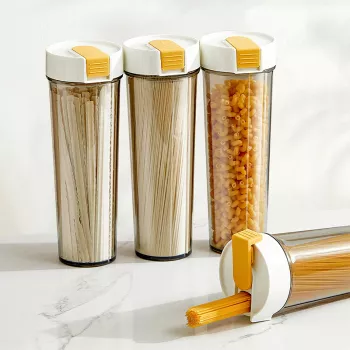
If ramen eggs are part of the weekly routine, an organizer helps keep them from rolling around and cracking. The Refrigerator Egg Storage Box for keeping ramen eggs organized makes it easy to store a small batch neatly and grab what you need.
Once the basic bowl structure clicks, a dedicated recipe collection makes experimenting feel organized rather than wasteful. The Japanese Food Recipes: Ramen & Soups eBook (digital download) is a convenient way to build repeatable technique across broths, seasonings, noodles, and topping combinations—while still letting you adjust richness and salt to taste.
Keeping the file on a phone or tablet also helps during prep: quick reference while the noodles boil, easy shopping lists, and a faster path to finding “your” signature bowl. For finishing touches at the table (especially if ramen night is a group dinner), the 24-Piece High-End Stainless Steel Cutlery Set for 6 can elevate the overall serving experience.
For food safety when storing broth and toppings, follow the USDA’s guidance on cooling and refrigeration times for leftovers and food safety.
Shoyu or miso is the simplest starting point: use good chicken stock, add a straightforward tare, and finish with a small amount of aromatic oil. Both styles are quick, flexible with toppings, and forgiving if you need to adjust seasoning per bowl.
Salt alone won’t create depth—ramen also relies on tare complexity and aroma from finishing oils. Try adding a teaspoon of scallion oil, garlic oil, or chili oil, or build more umami into the tare with kombu or dried fish elements.
Marinated soft eggs are typically best within 2–4 days, cooked chashu keeps about 3–4 days refrigerated, and sliced scallions are best within 2–3 days. Store components separately so textures stay clean and fresh when you assemble a bowl.









Leave a comment