A small kitchen feels cramped fast when storage is scattered, surfaces collect “in-between” items, and cabinets become mystery zones. This checklist-style guide breaks storage into simple, repeatable steps—measure, sort, zone, contain, and maintain—so everyday cooking stays easy without a full remodel.
Before buying bins or rearranging cabinets, do a quick 5-minute walk-through and write down your biggest friction points: an overflowing counter, jammed drawers, pantry pile-ups, or crowded fridge shelves. Those pain points are your priority zones—not the areas that look fine.
Next, measure three things that decide whether organizers will work or become “returns”:
Choose 1–2 “no-clutter” surfaces to keep clear every day—often one counter section and the stove area. This is less about aesthetics and more about prep flow and safety.
Finally, set a realistic goal: anything used weekly should be reachable without moving more than one item. When that’s true, the system stays in place because it’s faster than “shoving and hoping.”
Decluttering goes faster when you pull items by category (not by cabinet). Gather mugs, food containers, spices, bakeware, small appliances, and cleaning supplies into quick “piles,” then decide what earns space.
If leftovers frequently get forgotten, consider using a food storage reference like the USDA FoodKeeper App to cut down on “mystery containers” that linger too long.
Zones prevent “wandering items.” Instead of organizing by where something might look nice, organize by where you naturally reach for it.
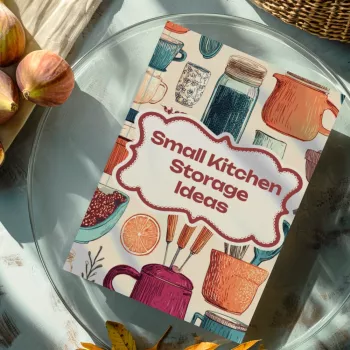
If you want a step-by-step flow you can repeat cabinet by cabinet, the Small Kitchen Storage Ideas Checklist (digital download) makes it easy to follow the same order every time: measure → declutter → zone → contain → label → maintain.
In a small kitchen, the biggest “new storage” often comes from stacking smarter and using the inside of doors.
| Kitchen area | Quick fix | Best container/organizer |
|---|---|---|
| Countertop | Group daily items into one defined footprint | Tray or caddy with handles |
| Upper cabinets | Double shelf capacity without remodeling | Shelf riser or under-shelf basket |
| Lower cabinets | Make tall items accessible without digging | Pull-out bin or labeled basket |
| Drawers | Stop tool tangles and wasted space | Adjustable drawer dividers |
| Pantry | See what exists and prevent duplicates | Clear stackable bins + labels |
| Fridge | Keep small items from disappearing | Lidded bins/egg box/turntable |
| Under sink | Separate wet vs. dry supplies | Two-bin system + slim caddy |
When your prep zone is dialed in, small tools get used more often. A compact set like the Stainless Steel Fruit Prep Tool Set can stay together in one divider slot instead of scattering across drawers.
For a simple, low-effort upgrade, the Refrigerator Egg Storage Box keeps eggs in a single footprint and helps prevent the “rolling carton” problem when shelves are tight.
For food-contact and high-touch areas like handles and counters, follow current guidance for cleaning routines from the CDC’s cleaning and disinfecting recommendations.
A checklist keeps momentum when time is limited. Work in 15–30 minute sessions and follow the same order every time: measure → declutter → zone → contain → label → maintain. It’s also renter-friendly, since most improvements come from add-on organizers rather than permanent changes. If you like having a cabinet-by-cabinet plan on your phone or printed, the Small Kitchen Storage Ideas Checklist (digital download) is designed for quick wins that don’t require a full kitchen redo.
Start with a short declutter by category, then set practical zones (prep, cooking, snacks, cleaning). Add only a few bins or dividers so each zone is easy to maintain, and keep one counter area intentionally clear.
Use vertical add-ons like shelf risers, under-shelf baskets, door-back hooks, and stackable bins. Measure first so organizers fit correctly, and prioritize solutions that reduce stacking and digging.
Group items by how they’re used (breakfast, baking, snacks, dinners) and store them in labeled bins. Keep everyday items at eye level, and contain duplicates in one overflow/backup bin.










Leave a comment