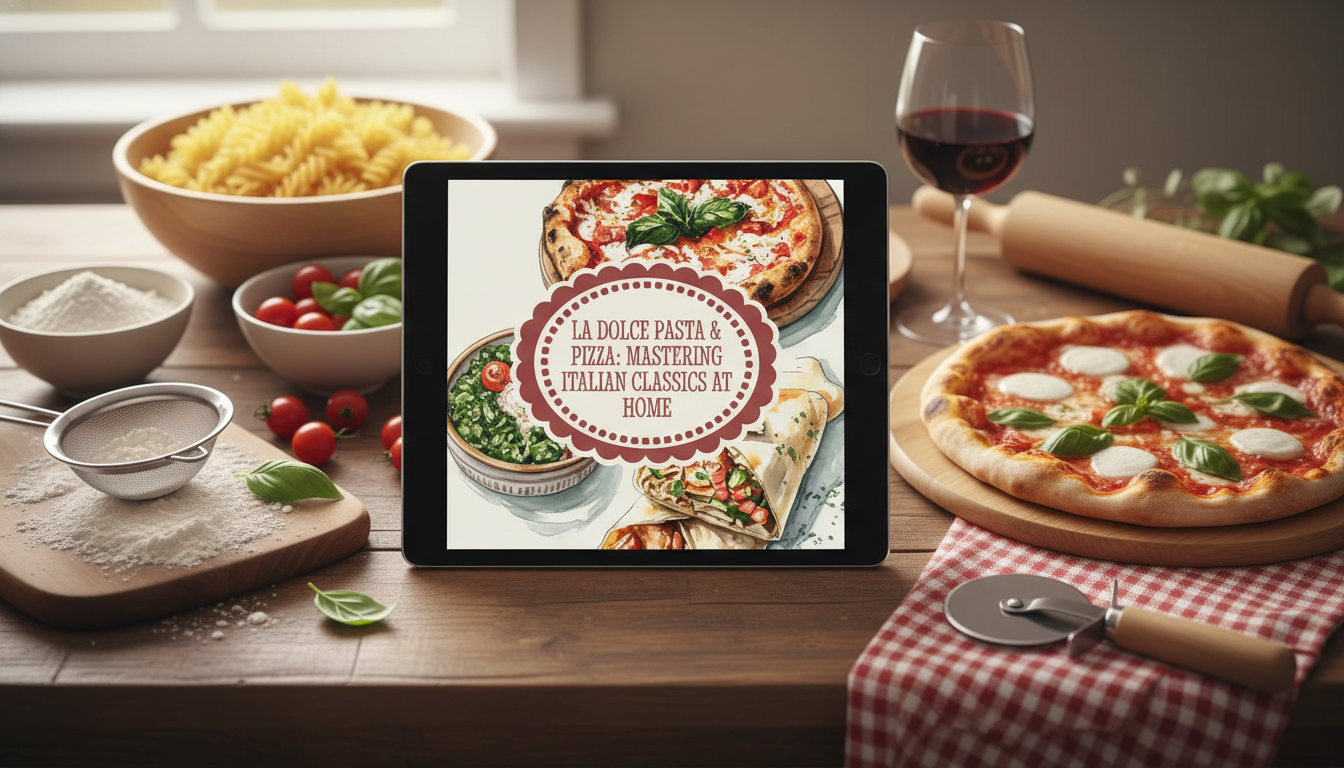
Homemade pasta and pizza feel special because small technique choices—hydration, kneading, fermentation, and heat—change everything. La Dolce Pasta & Pizza: Mastering Italian Classics at Home | Italian Food Recipes Pasta & Pizza eBook focuses on repeatable methods that fit real schedules, so weeknight cooks can get consistent results without turning dinner into a multi-day project. Instead of “try this” tips, it helps connect cause and effect: what to do, why it works, and how to adjust when a batch goes sideways.
If you like cooking that feels calm and controlled, this kind of structured approach is the difference between “sometimes great” and “consistently good.” For deeper background on pizza dough variables (hydration, fermentation, and handling), King Arthur Baking’s guide is a solid reference: https://www.kingarthurbaking.com/learn/guides/pizza.
Great pasta starts before the pot boils. Flour choice affects bite and elasticity; hydration affects rolling and tenderness; resting affects how cooperative the dough feels. Once the noodles hit water, seasoning and timing matter—then the real “restaurant” step happens: finishing the pasta in the sauce with a splash of starchy pasta water for cohesion.
| Problem | Likely cause | Quick fix |
|---|---|---|
| Pasta is tough or rubbery | Over-kneading, too little rest, or dough too dry | Rest longer; adjust hydration slightly; avoid excessive kneading |
| Pasta breaks when rolling | Under-hydrated dough or insufficient rest | Add a few drops of water and rest; roll more gradually |
| Sauce won’t cling | No starchy water used; pasta rinsed; sauce too thin | Reserve pasta water; toss briefly in pan; reduce sauce |
| Gummy texture | Overcooked pasta or crowded pot | Cook to al dente; use larger pot and stir early |
Home-oven pizza success comes down to three controllables: fermentation, handling, and heat. Longer, cooler rises develop flavor and make dough more extensible. Gentle shaping prevents a tight, dense rim. And a fully preheated oven—especially with a preheated surface—improves oven spring and browning.
Balanced Italian sauces taste clean and focused, not muddled. A good tomato sauce is about managing acidity and sweetness while letting tomatoes taste like tomatoes; a good creamy sauce is about stable emulsions; and oil-and-garlic sauces are about fragrance without bitterness. For a deeper dive into the principles of great tomato sauce, Serious Eats is a reliable resource: https://www.seriouseats.com/.
For safe cooling and storage basics (especially helpful when you batch sauces or save slices), the USDA’s leftovers guidance is a trustworthy reference: https://www.fsis.usda.gov/food-safety/safe-food-handling-and-preparation/food-safety-basics/leftovers-and-food-safety.
Yes. It focuses on oven-based techniques like longer preheating, using a thoroughly heated baking surface when available, managing topping moisture, and timing bakes for better browning—no specialty pizza oven required.
Prioritize fermentation time, keep dough properly hydrated, shape gently without pressing out all the gas, avoid adding lots of extra flour while stretching, and make sure the oven is fully preheated before the pizza goes in.
Balance salt and acidity, reduce the sauce to the right consistency, bind it with a splash of starchy pasta water, and finish with a small amount of quality olive oil or cheese for aroma and gloss rather than extra volume.











Leave a comment