
Weeknights run smoother when the kitchen is set up for speed: fewer steps, fewer tools to wash, and faster prep from fridge to cutting board to pan. A simple checklist helps prioritize the handful of gadgets that remove the most friction—chopping, measuring, storing, and cleanup—without filling drawers with one-off tools. Use the sections below to decide what’s worth adding, what to skip, and how to build a small “rapid-cook” kit that supports everyday meals.
Not every “kitchen hack” saves time where it counts. The best upgrades reduce repeat actions that happen nearly every meal—then make the whole flow feel easier.
Prep is where most weeknight momentum is won or lost. Aim for a small group of tools that make cutting, measuring, and staging ingredients feel almost automatic.
| Prep task | Tool type | Why it saves time | What to look for |
|---|---|---|---|
| Chopping & transferring | Bench scraper | Scoops ingredients in one move; keeps board clear | Stiff stainless blade; comfortable edge |
| Peeling & trimming | Y-peeler | Faster strokes; less wrist strain | Sharp replaceable blade; easy rinse |
| Washing greens | Salad spinner | Dries quickly for better sautéing and storage | Stable base; easy-pull/press mechanism |
| Portioning | Digital scale | Fewer measuring cups; consistent results | Tare function; easy-clean surface |
| Garlic/ginger | Press/rocker or microplane | Quick flavor without mincing | Easy to clean; non-slip grip |
If fruit prep is a daily habit (snacks, lunches, smoothies), dedicated tools can remove friction. The Stainless Steel Fruit Prep Tool Set – Corer, Scoop & Carving Knife keeps common tasks—coring apples, scooping melon, trimming fruit—quick and tidy without hunting for mismatched tools.
Time-saving cooking gadgets are less about “cheating” and more about replacing supervision. When a tool reliably handles heat, timing, or consistency, it frees you to prep a side dish, pack lunches, or reset the kitchen.
A simple rule: if a gadget replaces attention (not skill), it usually earns a spot in a busy kitchen.
Some of the biggest “saves” happen before cooking starts—when you can find what you need quickly and keep ingredients usable for longer.
For a simple, space-efficient upgrade, the Refrigerator Egg Storage Box keeps cartons from shifting and makes it faster to see what you have at a glance—especially helpful if you batch breakfast items or bake on weekends.
For food storage guidance and timelines, the USDA FoodKeeper App is a practical reference for keeping leftovers safe and reducing waste.
When meals feel repetitive, use a simple plate-building framework to vary them without extra planning—protein, veggies, whole grains, and a flavorful sauce. The Harvard Healthy Eating Plate is a helpful reference for balanced combinations.
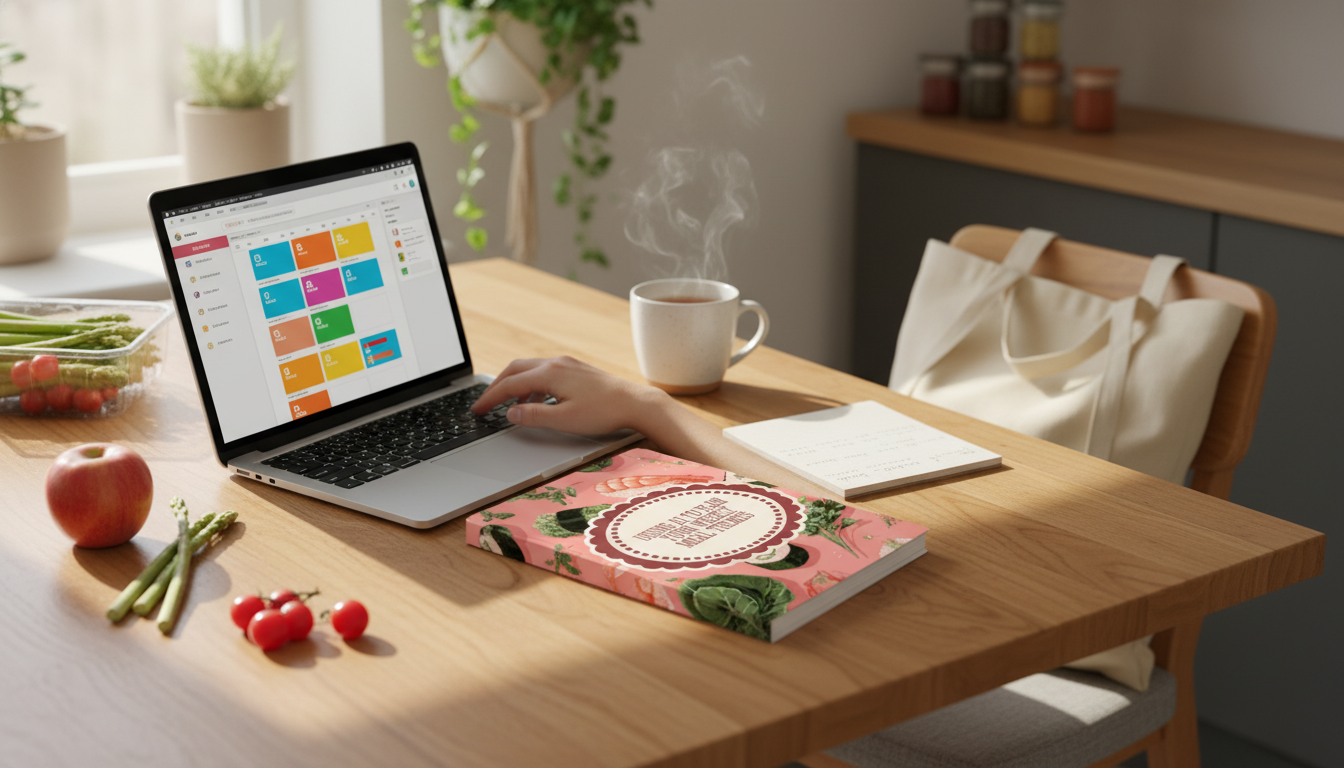
If you want a ready-to-use system, the Time-Saving Kitchen Gadgets Checklist (digital download) makes it easy to track what you own, identify gaps, and prioritize the upgrades that shorten weeknight prep and cleanup.
Prioritize tools that reduce repeated prep (sharp knife, bench scraper, peeler, and a digital scale), enable hands-off cooking (rice cooker or multicooker), and speed cleanup (liners and easy-clean utensils). The best picks depend on the meals you make most often—salads, sheet-pan dinners, stir-fries, or batch breakfasts.
A compact core set of about 5–10 items is usually enough, stored in a top drawer or kept neatly on the counter. Rotate seasonal or occasional tools into a cabinet so daily cooking stays fast and visually uncluttered.
They can be, especially if they prevent duplicate purchases, organize tools by task, and let you upgrade in phases. A strong checklist also includes selection criteria (like dishwasher-safe requirements) and space to track what you already own.









Leave a comment